Follow-up
For people already on a plan, or who know which treatment helps. Available after an initial consultation.
OPTIMAL MOVEMENT LTD · Shrewsbury

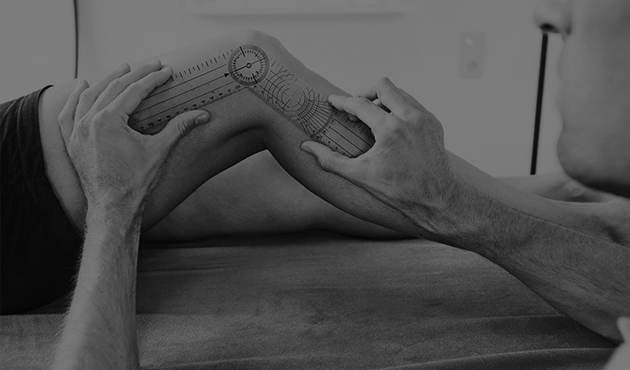
Injury treatment
Tendon pain from endurance training or a muscle tear from playing with the children: the job is to return you safely, and to understand why it happened.
For people already on a plan, or who know which treatment helps. Available after an initial consultation.
The most requested session: enough time to review progress and write a rehabilitation plan. First visits include the consultation.
For several complaints at once, a sudden stop in training, or recovery from a more serious injury.
A first appointment includes the consultation and treatment. If you have already been assessed, later visits go straight to the work. Home visits for physiotherapy can be discussed when travel to the business park is difficult.
Musculoskeletal physiotherapy in Shrewsbury for pain in muscles, tendons, ligaments, joints and nerves. Time is protected so the story of the pain is heard properly, the injury is examined, and treatment starts in the same visit.
Hands-on therapy sits beside kinesiology taping, movement coaching and exercise. The point is to reduce pain and shorten the road back.
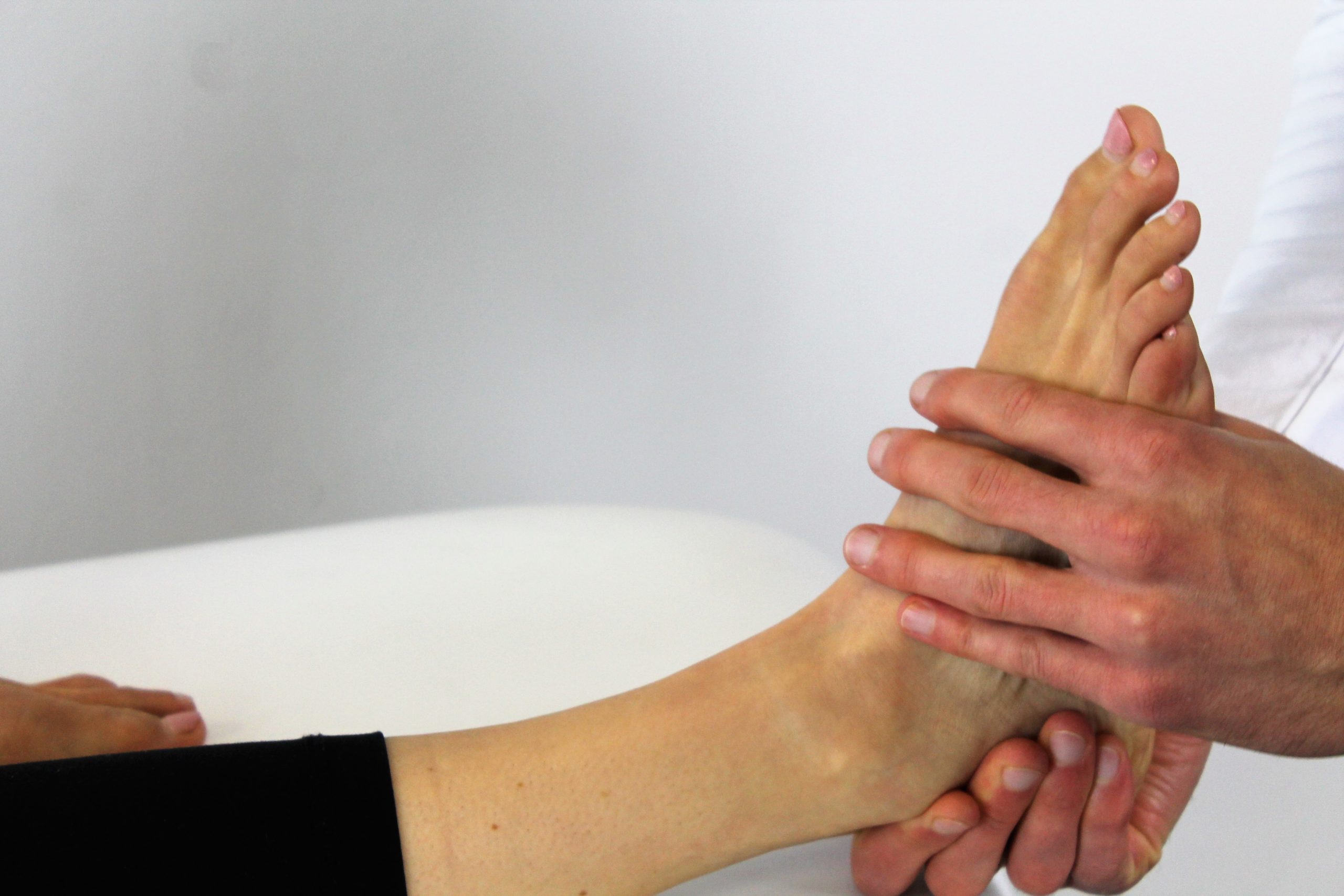
A whole-body view that can ease joint stiffness, muscle tension and poor circulation through the tissues. Skeleton, muscle and connective tissue are encouraged to work as one system, using stretch, mobilisation, manipulation and massage. The aim is balance for complaints such as sciatica, back pain, neck pain and sports injuries, using the body’s own recovery rather than drugs or surgery. Advice on activity after the session is part of the visit. A spinal health check can be included when that is the question you arrived with.
When a tendon has been sore for weeks or months, the healing response can stall. Radial shockwave is a short, intense energy wave passed through the skin to wake that response. Many people use a course of about six sessions across six weeks. Achilles pain and plantar fasciitis that have lingered are typical reasons to consider it.
The wave comes from a handpiece. A compression phase shears the tissue; a tensile phase creates tiny bubbles that stimulate repair. Application alone is often five to ten minutes. Early discomfort usually settles within seconds. Pressure, frequency and the number of shocks are adjusted from your feedback. Mild soreness can follow the first visit, though many people notice pain ease. Ease off activity for 48 hours without stopping altogether.
Shockwave is skipped in pregnancy, with a clotting disorder, if a tumour is at the treatment site, with a pacemaker, or where the skin is infected or broken. Everything is explained first, and it is paired with rehabilitation whenever that will raise the chance of a full recovery. One-off top-ups are available for people already on a plan.
Weekend or full-time, the aim is to send you back confident. Sport does not have to include injury as a standard extra. If you are already hurt, the plan is to return you sooner, and often stronger.
Foot
Plantar fasciitis, fat pad pain, Morton’s neuroma
Ankle
Sprains, Achilles tendinopathy, calf strains
Knee
Patellofemoral pain, MCL sprain, runner’s knee
Hip
Groin strain, piriformis, bursitis, gluteal tendons
Back
Muscle strain, ligament sprain, disc pain, sciatica
Shoulder and elbow
Rotator cuff, impingement, tennis and golfer’s elbow
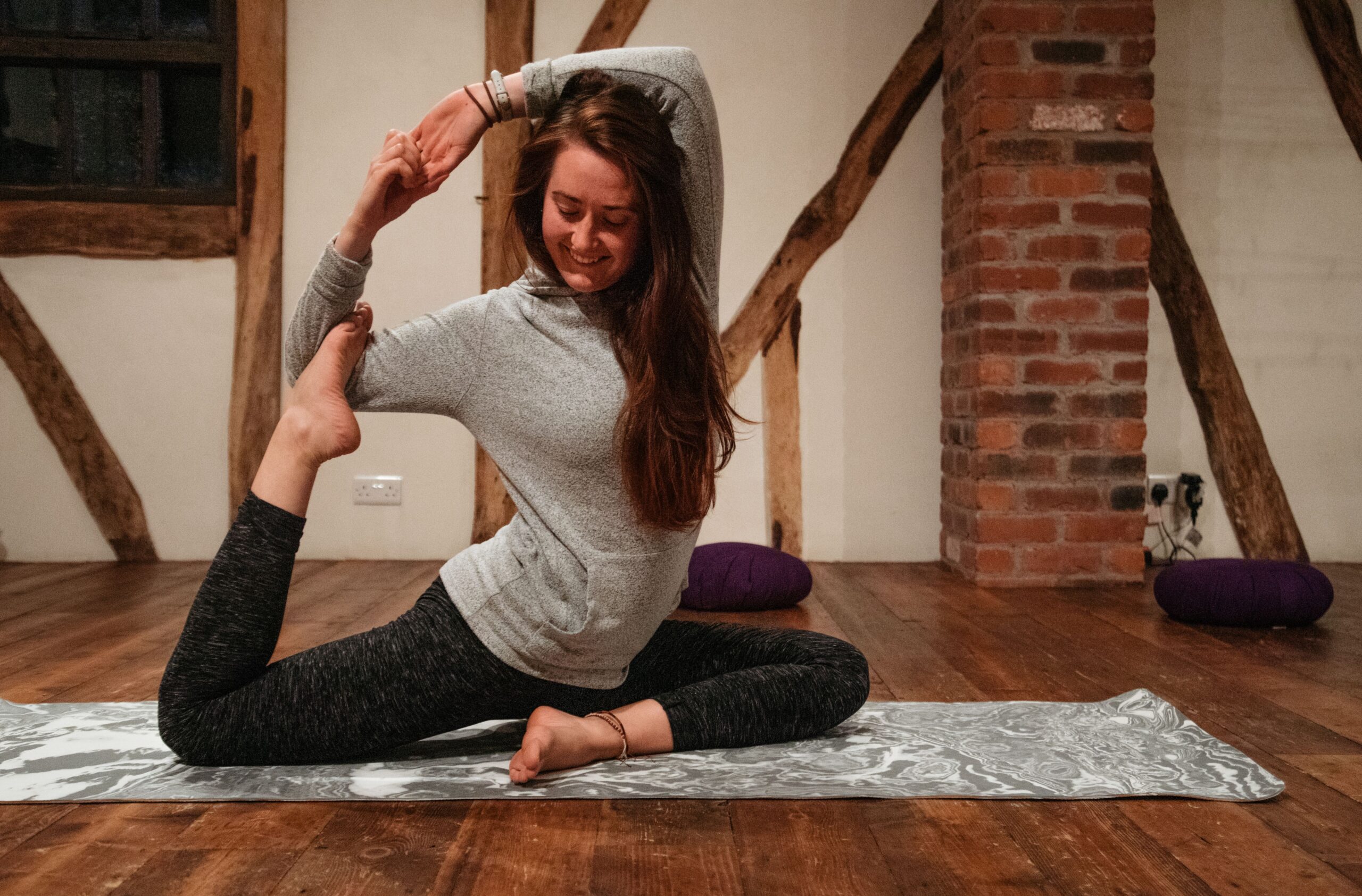
Intrinsic biomechanics looks past the obvious and at the way your own joints, muscles and nerves prefer to move. A 75-minute session starts with goals and history, then screens the pelvis, spine, shoulders, knees and feet for range, symmetry and muscle activity. You leave with a home plan.
A full-body check suits anyone who wants to know why aches keep returning, or whether they are balanced and mobile enough for the next block of training. It is also a sensible bridge after rehab, so the same injury is less likely to reappear.
This brochure site uses a session note so the banner stays closed, and Google Maps on the contact page. Cookie details